
Why Homeowners Choose Install America for Window Replacement

Homeowners choose Install America for window replacement because of their proven experience, high-quality energy-efficient windows, professional installation, local expertise across Delaware, Pennsylvania, Tennessee, Georgia, Virginia, New Jersey and North Carolina, transparent pricing, strong warranties, and consistently positive customer reviews. With years of experience, premium materials, expert installation, and a customer-first approach, Install America has become a go-to choice for homeowners who want the job done right the first time. A Trusted Name in Window Replacement Install America is an established window replacement company with over a decade of hands-on experience helping homeowners upgrade comfort, efficiency, and curb appeal. Unlike companies that treat window replacement as a volume business, Install America focuses on: Proper evaluations Honest recommendations Precision installation Long-term performance This approach has earned Install America a reputation as one of the most trusted window replacement companies in the regions they serve. High-Performance Replacement Windows Designed to Last Homeowners choose Install America because of their commitment to high-quality, energy-efficient replacement windows. Their windows are designed to: Reduce heat loss in winter and heat gain in summer Improve indoor comfort year-round Lower monthly energy bills Reduce outside noise Withstand harsh weather conditions Install America prioritizes performance and durability over shortcuts, ensuring homeowners see real value from their investment. Expert Window Installation Makes the Difference Even premium windows can underperform if they’re installed incorrectly. Install America sets itself apart with professional, detail-driven installation teams. Their installers focus on: Accurate measurements for a custom fit Proper sealing and insulation Water and air infiltration prevention Respect for the home and thorough cleanup This attention to detail helps prevent common issues like drafts, leaks, and premature window failure — problems homeowners often experience with less experienced contractors. Local Window Replacement Services You Can Trust Install America proudly serves homeowners across multiple states, with strong local roots in Delaware, Pennsylvania, and North Carolina. Window Replacement in Delaware Delaware homeowners face changing seasons, coastal moisture, and temperature swings. Install America provides window solutions designed to improve insulation, reduce humidity issues, and enhance energy efficiency — all while meeting local building standards. Window Replacement in Pennsylvania From historic homes to modern developments, Pennsylvania homeowners trust Install America for replacement windows that maintain architectural integrity while improving comfort and efficiency in colder climates. Window Replacement in North Carolina North Carolina homes require windows that handle heat, humidity, and seasonal storms. Install America installs windows built for durability, UV resistance, and year-round performance in Southern climates. Local expertise allows Install America to recommend the right windows for each region — not one-size-fits-all solutions. Honest Pricing and Flexible Financing Options Homeowners appreciate Install America’s transparent pricing model. Every project begins with a clear explanation of costs, scope, and expectations. To make window replacement more accessible, Install America also offers flexible financing options, allowing homeowners to upgrade their windows without delaying important improvements. Industry-Leading Warranties for Peace of Mind Install America stands behind its work with strong product and labor warranties. Homeowners gain peace of mind knowing their investment is protected long after installation day. This long-term accountability is a major reason homeowners confidently recommend Install America to others. Real Reviews From Real Homeowners One of the strongest indicators of trust is customer feedback. Install America has earned hundreds of positive reviews across platforms like Google and other reputable review sites. Homeowners frequently highlight: Professional and courteous installers Clear communication throughout the project High-quality workmanship Clean, efficient installations These real experiences reinforce Install America’s position as a top window replacement company. A Simple, Stress-Free Window Replacement Process Install America has refined its process to make window replacement straightforward and worry-free: Initial consultation (in-home or virtual) Expert product recommendations Accurate measurements Professional installation Final walkthrough and ongoing support Homeowners value knowing exactly what to expect from start to finish. Why Install America Is the Right Choice for Window Replacement When homeowners compare window replacement companies, Install America consistently stands out for its balance of experience, quality, service, and trust. That’s why homeowners choose Install America — not just for new windows, but for confidence, comfort, and long-term value.
Front Window Replacement Styles for Every Home Type
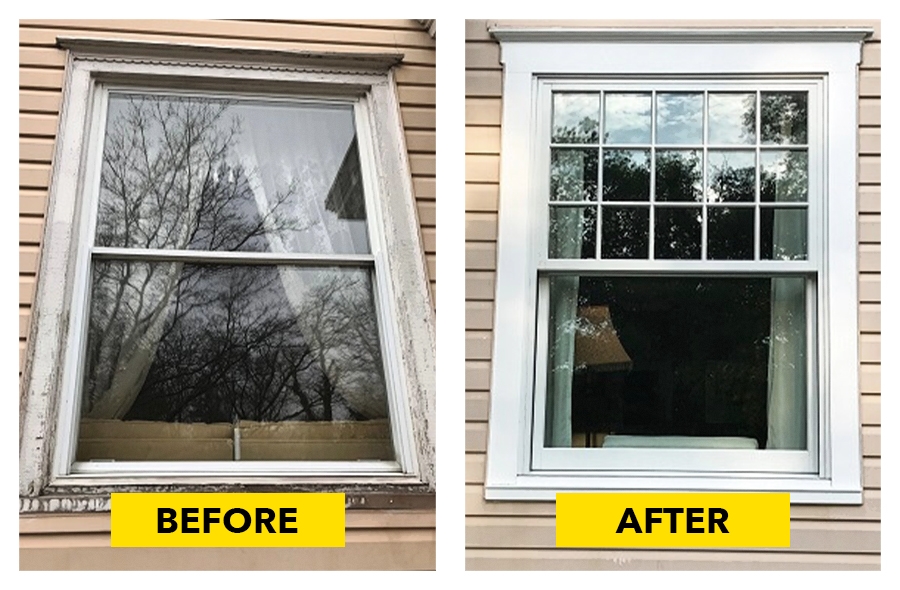
Why Front Window Replacement Style Matters Unlike side or rear windows, front windows are visually prominent and often define a home’s architectural identity. A mismatched front window replacement can disrupt symmetry, reduce curb appeal, and even hurt resale value. In many neighborhoods—especially those with homeowner associations or historic guidelines—style consistency is not just recommended, it’s required. Beyond aesthetics, front window replacement choices also influence natural light, ventilation, insulation, and noise reduction. Modern glass technology allows homeowners to preserve a classic look while gaining significant improvements in energy efficiency, UV protection, and interior comfort. Front Window Replacement in the Midwest & Northeast Homes in the Midwest and Northeast face extreme temperature swings, making front window replacement especially important for insulation and comfort. High-performance vinyl, composite, and fiberglass windows with Low-E glass help reduce drafts in winter and heat gain in summer, while still matching traditional and historic home styles common in these regions. Front Window Replacement in North Carolina & the Mid-Atlantic In warmer and mixed climates like North Carolina, Pennsylvania, and surrounding Mid-Atlantic states, front window replacement should balance solar control with ventilation. Energy-efficient glass, UV protection, and moisture-resistant frames help homeowners maintain comfort while improving curb appeal year-round. Front Window Replacement Styles for Modern Homes Modern homes are defined by clean lines, open spaces, and a strong connection between indoor and outdoor environments. Front window replacement options for modern architecture typically prioritize large glass areas, minimal framing, and simple geometry. Picture windows are one of the most popular front window replacement choices for modern homes. These fixed windows offer unobstructed views, maximize daylight, and create a bold, contemporary focal point. Because they do not open, picture windows are also among the most energy-efficient options available. Oversized or floor-to-ceiling front windows are another common modern design element. When paired with high-performance Low-E glass and thermally efficient frames, these windows deliver a dramatic visual impact without sacrificing insulation. Black-frame aluminum or fiberglass windows are especially popular in modern front window replacement projects, as they emphasize contrast and architectural sharpness. Minimalist designs typically avoid decorative grids or divided panes, allowing the glass itself to take center stage. For homeowners seeking a sleek, updated look, a modern front window replacement can instantly transform the exterior of a home. Front Window Replacement Styles for Traditional Homes Traditional homes make up the largest segment of residential architecture, and front window replacement options for these properties offer flexibility, familiarity, and timeless appeal. The goal with traditional front window replacement is to enhance the home’s appearance while maintaining balance and symmetry. Double-hung windows remain the most common front window replacement style for traditional homes. Their classic proportions, functional ventilation, and compatibility with decorative grids make them a reliable and visually appropriate choice. Bay and bow windows are also popular for front window replacement in traditional homes, as they add depth, dimension, and interior space while enhancing curb appeal. Many homeowners opt for colonial or prairie grid patterns to match existing architectural details. Modern vinyl, composite, and wood-look frames allow traditional front window replacement projects to retain their classic appearance while benefiting from improved durability and energy efficiency. A well-chosen front window replacement in a traditional home should feel seamless—noticeable for its quality, not for standing out as out of place. Front Window Replacement Options for Historic Homes Historic homes require a more careful approach to front window replacement. Preserving original character while improving performance is the primary objective, and improper window selection can significantly reduce a home’s historical integrity. True divided light (TDL) and simulated divided light (SDL) windows are commonly used in historic front window replacement projects. These designs replicate the look of original multi-pane windows while incorporating modern insulated glass units. Wood and wood-clad windows are often preferred for historic homes due to their authentic appearance and customizable profiles. Custom sizing is frequently necessary, as older homes rarely conform to modern standard window dimensions. A professional front window replacement ensures that original openings, trim details, and exterior lines are preserved while upgrading insulation and weather resistance. For homeowners in designated historic districts, front window replacement may also require approval from local authorities. Working with experienced professionals helps ensure compliance while achieving the desired balance of beauty and performance. Energy Efficiency and Performance Considerations Regardless of architectural style, energy efficiency should be a top priority in any front window replacement. Advances in glazing technology now allow homeowners to achieve excellent thermal performance without compromising aesthetics. Double- and triple-pane glass, argon or krypton gas fills, Low-E coatings, and warm-edge spacers all contribute to improved insulation, reduced drafts, and better temperature control. Properly installed front window replacements also reduce outside noise and protect interior furnishings from UV damage. Choosing energy-efficient front windows can lead to lower utility bills, increased indoor comfort, and long-term savings, making them a smart investment for any home style. Choosing the Right Front Window Replacement for Your Home Selecting the best front window replacement involves more than choosing a design you like. Homeowners should consider their home’s age, architectural style, climate, budget, and long-term plans. A window that looks great today should continue performing well for decades. It’s also important to consider whether replacing only the front window is the right approach. In many cases, upgrading multiple windows at once improves visual consistency and can reduce overall installation costs. Professional Front Window Replacement vs DIY While some homeowners consider DIY window projects, front window replacement is rarely a suitable candidate. The front elevation of a home is highly visible, and even small installation errors can lead to water intrusion, air leaks, or structural damage. Professional front window replacement ensures proper flashing, insulation, alignment, and warranty coverage. Experienced installers also help homeowners select styles that enhance curb appeal while meeting local codes and architectural guidelines. How much does a front window replacement cost? Front window replacement costs vary based on size, style, frame material, and glass options. On average, homeowners can expect pricing to range from mid-hundreds to several thousand dollars
Can uPVC Windows and Doors Be Painted? A Homeowner’s Guide by Install America
If you own a house with older uPVC (vinyl) windows or doors and you’re wondering whether they can be refreshed with a new colour instead of replaced — the answer is: yes — but only if it’s done right. At Install America, we often get asked whether painting uPVC is a viable alternative to full replacement. In this post, we’ll walk you through when it makes sense — and when you’re better off investing in new frames. When Painting uPVC Makes Sense Your frames are older and out of warranty: If your uPVC windows/doors are past their warranty period, painting can be a cost-effective cosmetic upgrade. The uPVC is structurally sound: No warping, cracking, or failed seals — painting simply improves appearance. You want a fresh look without replacement cost: A new colour (grey, anthracite, etc.) can modernize the home exterior without full replacement. You’re looking for a temporary or mid-term solution: A well-done paint job can give you several years of improved look before more permanent renovation. When Painting uPVC Is Not Ideal Your windows are under warranty or recently installed: Altering factory finish may void any remaining warranty and reduce long-term value. uPVC is damaged, warped, or seals are failing: Painting won’t fix structural or thermal issues; replacement would be wiser. You want maximum lifespan and lowest maintenance: Painted uPVC usually requires more upkeep and may need repainting sooner than new frames. Marketing best practices for window & door businesses suggest transparency here — homeowners appreciate being informed before calling a contractor. When Painting uPVC Is Not Ideal Your windows are under warranty or recently installed: Altering factory finish may void any remaining warranty and reduce long-term value. uPVC is damaged, warped, or seals are failing: Painting won’t fix structural or thermal issues; replacement would be wiser. You want maximum lifespan and lowest maintenance: Painted uPVC usually requires more upkeep and may need repainting sooner than new frames. Marketing best practices for window & door businesses suggest transparency here — homeowners appreciate being informed before calling a contractor. How to Properly Paint uPVC — Step by Step Inspect the frames — ensure there’s no warping, cracks, or seal failure. Clean and degrease thoroughly to remove dirt, chalking, silicone residues, or grease. Lightly sand the surface to create a “key” for the paint. Optionally apply a plastic-bonding primer or adhesion promoter — helps paint adhere to slick uPVC. Apply a uPVC-compatible exterior paint (ideally formulated for vinyl/PVC) — using spray gives the most professional-looking finish; high-quality brushes/rollers are second best. Let it cure fully before regular use of windows/doors. Plan for occasional maintenance — cleaning with mild, non-abrasive cleaners; consider repainting after several years depending on exposure. This sort of detailed guidance helps homeowners make an informed decision — and also positions Install America as an expert, trustworthy provider. Such content-driven strategies are known to help window/door companies convert more leads. Pros & Cons — What to Pros Cons Modernized look at lower cost than full replacement Paint may need recoating within 5–10 years Avoids waste and disruption of full replacement Dark colours can cause heat stress on vinyl, risk of warping Good interim solution if frame integrity is fine Might void warranty on newer windows/doors Fast turnaround (vs. ordering new custom frames) Requires meticulous prep — poor job can look worse than faded uPVC What Type of Paint Should You Use on uPVC? Specialist coating companies and trade paint suppliers consistently recommend high-quality exterior paints formulated for plastics/uPVC: Acrylic or solvent-based exterior paints with strong adhesion to plastics and UV resistance are commonly advised. Some European suppliers recommend specific products like Tikkurila Panssari Akva for uPVC due to its durability, colour stability and weather resistance. Multi-surface exterior systems such as Zinsser AllCoat are often used by professionals and have published long-term performance claims (e.g. up to 15-year durability) when properly applied. Look for labels or technical datasheets that explicitly mention: uPVC / PVC / vinyl compatibility Exterior use & UV resistance Flexibility (so the coating can move with temperature changes) A dedicated bonding / adhesion primer for plastics or vinyl is also strongly recommended by both paint manufacturers and pro painters to help the topcoat stick and last longer. Colour Choice, Heat and Warping One of the most important technical considerations is colour. Paint and window manufacturers emphasise that dark colours with a low Light Reflectance Value (LRV) absorb more solar energy, increasing surface temperatures and the risk of warping or distortion in vinyl/uPVC. Common guidance includes: Prefer colours with LRV ≥ 55 unless the paint line specifically certifies dark shades as “vinyl-safe” or heat-reflective. Be especially cautious on south- and west-facing elevations that get strong sun. If you insist on black or very dark grey, use vinyl-safe paint formulations and consult the paint manufacturer’s technical advice. How Long Does Painted uPVC Last? Expert estimates vary slightly, but there’s broad agreement that: A well-prepared, professionally painted uPVC frame using high-quality coatings typically lasts around 5–7 years before showing significant fading or wear. A few high-performance coating systems claim up to 10–15 years of performance when applied according to spec, though this depends heavily on climate, exposure and maintenance. Poor surface preparation or cheap paint can lead to peeling and failure in just a couple of years, especially in harsh environments. Realistically, if you’re painting uPVC, you should plan on recoating at least once within a decade. Will Painting uPVC Void the Warranty? This is one of the biggest gotchas. Many installers and manufacturers explicitly state that DIY alterations, including painting uPVC frames, can void any remaining warranty on the product. Some guidelines: Never paint brand-new uPVC (often advised: avoid painting if the frames are 12 months old or less). Always check your warranty documents or contact the original supplier before painting, especially for relatively recent installations. If your windows are already out of warranty, this becomes less of a concern and painting can be considered a temporary cosmetic upgrade. Step-by-Step: How to Paint uPVC
Are Window Replacements Tax Deductible in Pennsylvania? Here’s What Homeowners Should Know in 2025
If you’ve been thinking about replacing your old, drafty windows, there’s good news — your upgrade might actually put some money back in your pocket at tax time. Many homeowners in Pennsylvania are surprised to learn that while there isn’t a state tax deduction for window replacements, there is a valuable federal tax credit you can claim for installing energy-efficient windows. Let’s break down how it works, who qualifies, and how you can make the most of it. So, Are Window Replacements Tax Deductible in Pennsylvania? Not exactly — but don’t worry, that’s not a bad thing.Pennsylvania doesn’t currently offer its own state-level tax deduction for window replacements. However, the federal government offers something even better: a tax credit for homeowners who install qualifying energy-efficient windows or skylights. This comes under the Energy Efficient Home Improvement Credit (IRS Form 5695). It lets you claim up to $600 back for eligible windows and skylights added to your primary home. What’s the Difference Between a Deduction and a Credit? It’s easy to mix them up. A deduction lowers your taxable income, while a credit directly reduces the amount of tax you owe. So, if you owe $2,000 in taxes and you qualify for a $600 credit — your tax bill drops to $1,400. That’s real savings. Who Qualifies for the Credit? Here’s the good news: most Pennsylvania homeowners will. To qualify, you’ll need to check a few boxes: The windows must be installed in your main home (not a rental or vacation property). They have to meet ENERGY STAR® Most Efficient standards. Installation has to be completed in the same tax year you’re claiming. Keep your receipts and manufacturer’s certificate — you’ll need them for proof. Then, when you file your taxes, include IRS Form 5695 and claim the credit. How Much Can You Save? The federal credit allows you to claim: Up to $600 per year for window and skylight replacements. Up to $1,200 total for all energy-related upgrades (like insulation, doors, and windows combined). And here’s the best part — this isn’t a one-time deal.You can use the credit every year you make qualifying improvements. So if you do part of your home this year and finish the rest next year, you can still benefit both times. Don’t Forget Utility Rebates On top of federal credits, many Pennsylvania energy providers offer rebates for upgrading to high-efficiency windows and doors. Programs like EnergySavePA (through PECO and PPL Electric) can give you extra cash rebates, often between $25–$75 per window, depending on the product’s efficiency. Think of it as getting rewarded twice — once by your utility company and once by the IRS. Before you file, double-check these details: Only installed windows count (not just purchased ones). Save all your paperwork — especially product labels and efficiency certificates. You won’t get a “double credit” from Pennsylvania — only the federal one applies. Rental properties don’t qualify unless you also live there part-time. It’s always a good idea to run things by your tax preparer or accountant to make sure you’re claiming everything correctly. Replacing your windows isn’t just about improving your home’s look and comfort — it’s also a smart financial move. Even though Pennsylvania doesn’t have a state deduction, the federal energy-efficiency credit and local rebates can still help you save hundreds of dollars while cutting down your energy bills year-round. If you’ve been waiting for a good reason to upgrade, this might be it. Pro Tip: Before ordering your new windows, check that they’re ENERGY STAR® “Most Efficient” certified. That simple label can be the difference between getting the credit — or missing out.
Casement Windows vs. Hung Windows: Which One Is Right for Your Home?

When it’s time to replace your windows or choose new ones for your home, the variety of options can feel overwhelming. Two of the most popular window styles are casement windows and hung windows. While both provide ventilation, light, and curb appeal, they operate differently and suit different needs. Below, we’ll break down the differences, their benefits and drawbacks, and help you decide which window style best fits your home. What Are Casement Windows? Casement windows are windows that are hinged on one side and open outward like a door, typically using a crank handle. They can open to the left or right, depending on your preference and room design. Where they’re common: Casement windows are popular in modern and traditional homes alike and are often installed in kitchens, bathrooms, and hard-to-reach places where a crank makes them easier to open. What Are Hung Windows? Hung windows come in two types: single-hung and double-hung. Single-hung windows: The bottom sash moves up and down, while the top sash stays fixed. Double-hung windows: Both the top and bottom sashes can move up and down, and often tilt inward for easy cleaning. Where they’re common: Hung windows are a staple in many classic home styles, including colonial and craftsman, and are frequently used in bedrooms, living rooms, and throughout multi-story houses. Feature Casement Windows Hung Windows Opening Mechanism Hinged at the side; opens outward with a crank Sashes slide vertically up and down Ventilation Opens fully for maximum airflow Offers moderate ventilation; only half the window can open at a time Seal Compression seal (closes tightly) Sliding seal (more prone to slight air leakage) Pros and Cons of Casement Windows Pros: Superior Ventilation: They open fully outward, catching side breezes and directing airflow into the home. Energy Efficiency: They close tightly with a compression seal, minimizing air leaks. Unobstructed Views: No sash dividing the window vertically — just a clear pane. Ease of Use: The crank handle makes them ideal for hard-to-reach places (e.g., over a kitchen sink). Cons: Vulnerable to Wind Damage: Strong winds can catch an open casement window and potentially damage hinges. Obstructs Exterior Space: When open, they protrude outward, which may not be ideal for walkways, patios, or tight spaces. Maintenance: The crank mechanism and hinges may require occasional upkeep or lubrication. Pros and Cons of Hung Windows Pros: Classic Look: They have a timeless, traditional style that fits many architectural designs. Space-Saving: They don’t protrude outward when open, making them ideal for patios or pathways. Flexible Ventilation: With double-hung windows, you can open the top sash for ventilation while keeping the bottom closed (safer for kids and pets). Easy Cleaning: Many double-hung models have tilt-in sashes for cleaning the exterior glass from inside your home. Cons: Air Leakage: The sliding seal is less airtight than a casement’s compression seal, so they can be less energy efficient. Less Ventilation: Only half the window can open at once. May Stick Over Time: Sliding sashes can become difficult to open if dirt accumulates in the tracks. Utility: Where Each Excels Energy Efficiency: Casement windows typically perform better because they seal tightly when closed. Ease of Use: Casements are easier to open when installed in awkward places. Safety: Double-hung windows offer safety flexibility since you can open the top sash only. Maintenance: Hung windows are easier to maintain when upper floors are involved due to tilt-in sashes. Which Should You Choose? The right choice depends on your priorities and space: Choose casement windows if:You want maximum airflow, top-notch energy efficiency, and a modern, clear view with easy operation in hard-to-reach areas. Choose hung windows if:You prefer a classic look, need to conserve exterior space, want easier cleaning for upper floors, and prefer a traditional window style. Final Thoughts Both casement and hung windows have unique advantages. Understanding how they function — and how they fit your home’s design and your lifestyle — will help you make a smart, lasting investment. When planning your window project, consult with a trusted window professional to ensure you get the right style, materials, and installation for your home’s climate and your budget. Need help choosing the perfect windows? Contact us for a free consultation. Our team will help you find the ideal windows to add beauty, comfort, and energy savings to your home.
How Can a Window Replacement Impact the Property Value of Your House?

When homeowners think about boosting their property’s value, kitchen renovations and bathroom upgrades often come to mind first. However, one of the most overlooked—and impactful—home improvements is window replacement. Whether you’re planning to sell soon or just want to invest in your home’s future, upgrading your windows can deliver impressive returns in both comfort and value. 1. Curb Appeal That Sells First impressions matter. New, high-quality windows instantly enhance your home’s exterior, making it more attractive to potential buyers. Clean lines, modern frames, and clear glass create a polished look that signals the home is well-maintained. Whether it’s elegant bay windows or sleek casement styles, the right design choices can add major curb appeal—often influencing a buyer’s perception before they even step inside. 2. Energy Efficiency = Long-Term Savings Energy-efficient windows are among the most desirable upgrades for today’s buyers. Features like Low-E coatings, argon gas fills, and double or triple glazing help reduce heating and cooling costs by preventing drafts and heat transfer. Not only do these windows improve indoor comfort, but they also lower monthly utility bills—a major selling point that can increase your property’s market value. According to Remodeling Magazine’s Cost vs. Value Report, homeowners can expect to recoup up to 70–75% of the cost of new windows at resale. That number can go even higher when energy efficiency is emphasized in the listing. 3. Enhanced Security and Safety Modern replacement windows often come with advanced locking mechanisms and durable materials that provide better protection against break-ins. Additionally, windows with tempered or laminated glass add an extra layer of safety. Buyers with families or security concerns will see upgraded windows as a meaningful investment—potentially giving your home a competitive edge. 4. Noise Reduction for Peace and Quiet Live near a busy street, school, or airport? New, high-quality windows can dramatically reduce outdoor noise. Double- or triple-pane windows with gas fills and insulated frames make a noticeable difference in sound insulation. A quieter home is a more comfortable home—and that translates to higher perceived value. 5. Low Maintenance, High Impact Today’s window materials like vinyl, fiberglass, and composite frames are designed to be low maintenance. They resist warping, peeling, and fading—unlike older wood windows that may require regular sanding and repainting. This ease of upkeep is highly attractive to buyers looking for a move-in-ready home. 6. Increased Natural Light and Functionality Buyers love bright, airy spaces. Replacing outdated windows with larger or more strategically placed units can flood a room with natural light, making it feel bigger and more welcoming. Modern window designs also offer improved ventilation and smoother operation, which add everyday functionality and comfort. 7. Boosting Appraisal Value If you’re refinancing or applying for a home equity loan, new windows can also positively influence the appraised value of your home. Appraisers often take into account the age, style, and efficiency of windows as part of their valuation process—especially in older homes where replacements offer a clear functional improvement. Window replacement may not be the flashiest home upgrade, but it’s one of the smartest investments you can make. From increasing curb appeal to lowering energy costs and improving security, the benefits are clear—and so is the impact on your property’s value. If you’re considering replacing your windows, consult with a professional window company(we might know one 😉) to explore the best options for your home and budget. A well-planned window upgrade could be the key to unlocking your home’s full potential.
What Should I Know When Installing Doors?

Replacing or installing a new entrance door in your home is more than just a cosmetic upgrade—it’s an investment in your security, comfort, and energy efficiency. Among the many materials available today, steel and fiberglass doors stand out as two of the most popular options for homeowners. But which one is right for you? In this article, we’ll dive into the key factors to consider when installing a door and help you understand the pros and cons of steel and fiberglass doors, so you can make the best decision for your home. 1. First Things First: Why Material Matters Before choosing a door, it’s important to understand how much the material affects performance. The material impacts: Durability Security Insulation Maintenance Style and appearance Cost Let’s explore how steel and fiberglass stack up in these categories. 2. Steel Doors: Strong, Secure, and Affordable Pros of Steel Doors: Superior Security: Steel doors are one of the strongest door types available. They resist forced entry better than wood or fiberglass and are an excellent choice for homeowners who prioritize security. Cost-Effective: Typically, steel doors are more affordable than fiberglass or wood, especially when you’re working within a budget but still want a reliable, solid door. Energy Efficiency: Steel doors are often filled with insulating foam cores, which improve their thermal performance. Look for Energy Star-rated options to ensure maximum efficiency. Low Maintenance: A steel door won’t warp or crack, and it requires little upkeep. Just a simple wash every now and then will keep it looking fresh. Cons of Steel Doors: Denting and Scratching: While strong, steel can dent if hit hard, and scratches can expose it to rust if not treated promptly. Limited Design Options: Steel doors have fewer customization options compared to fiberglass. While you can find a variety of colors and some textures, they don’t offer the same warmth or wood-like look as fiberglass. Heat Conductivity: In very hot climates, steel can conduct heat, which might be a consideration depending on where you live. Best Use Cases for Steel Doors: Front entry doors in urban or high-traffic areas Budget-conscious home upgrades Homeowners prioritizing security over aesthetics 3. Fiberglass Doors: Stylish, Durable, and Versatile Pros of Fiberglass Doors: Versatile Appearance: Fiberglass doors can mimic the appearance of real wood—grain and all—without the maintenance. They’re available in a wide range of styles, colors, and finishes. Excellent Durability: Resistant to dents, scratches, rust, and corrosion, fiberglass stands up well to heavy use and harsh weather conditions. Energy Efficiency: Like steel, fiberglass doors have an insulated core that helps keep your home comfortable year-round. Low Maintenance: They won’t warp, crack, rot, or rust. Occasional cleaning and periodic refinishing (if stained) will keep them looking great. Weather Resistant: Fiberglass performs well in humid, rainy, or extremely cold conditions, making it ideal for a variety of climates. Cons of Fiberglass Doors: Higher Initial Cost: Fiberglass doors are typically more expensive upfront than steel doors. Complex Repairs: While durable, fiberglass doors can be more complicated and costly to repair if they do get damaged. Not As Secure as Steel: While they’re still secure, fiberglass doesn’t match steel’s level of impact resistance when it comes to forced entry. Best Use Cases for Fiberglass Doors: Homeowners looking for a high-end look without the upkeep of real wood Properties in areas with harsh weather Families wanting a long-lasting, stylish door with good energy performance 4. Installation Considerations No matter which material you choose, proper installation is crucial to getting the most out of your new door. Here are key points to consider: Fit and Measurement: Steel and fiberglass doors are usually pre-hung, meaning they come with the frame and are easier to install than slab-only doors. However, precise measurement is still essential. Threshold and Weather Sealing: To maximize energy efficiency, your installer should ensure a tight seal with high-quality weatherstripping and proper threshold adjustment. Door Swing Direction: Think about how the door will open and whether it might obstruct traffic flow or furniture. Hiring a professional door installer ensures everything is level, plumb, and airtight—preventing future drafts, leaks, and wear. 5. Energy Efficiency and Insulation Both steel and fiberglass doors are excellent in terms of energy performance, thanks to their insulated cores. Look for: Energy Star certification Low U-Factor (better insulation) Proper weatherstripping Double or triple-pane glass (if you choose a model with glass panels) If lowering your heating and cooling bills is a top priority, both materials deliver—just be sure to select a high-quality door with strong energy ratings. 6. Maintenance Tips Steel Door Maintenance: Clean with mild soap and water to remove dirt. Touch up any scratches to prevent rust. Lubricate hinges once a year. Fiberglass Door Maintenance: Wipe clean regularly; avoid abrasive cleaners. Refinish every few years if stained. Inspect weatherstripping annually and replace if worn. 7. Which Door Should You Choose? Still torn between steel and fiberglass? Here’s a quick summary: Feature Steel Door Fiberglass Door Cost More affordable Higher upfront cost Security Excellent (very strong) Good, but not as strong as steel Durability Strong but may dent/rust Extremely durable and weather-resistant Appearance Simple, industrial Can mimic wood, many design options Maintenance Low, but requires rust protection Very low, resistant to damage Energy Efficiency Very good with foam core Excellent with foam core Final Thoughts Whether you’re renovating your home’s entryway or replacing an old, inefficient door, both steel and fiberglass offer excellent benefits. Steel is your go-to if you want maximum security and affordability, while fiberglass is ideal if you’re after a beautiful, durable, and low-maintenance option that mimics the warmth of wood. At Install America, we specialize in professional door installations using only the highest quality materials. Whether you choose steel or fiberglass, our team will ensure a flawless fit, airtight seal, and long-lasting performance. Ready to upgrade your door? Contact us today for a free consultation and discover the perfect solution for your home.
The Best Windows for Pennsylvania Homes: Stay Comfortable in Every Season

When it comes to choosing windows for your home in Pennsylvania, it’s not just about looks — it’s about performance, comfort, and value. Pennsylvania is famous (or infamous!) for its unpredictable weather. One day it’s sunny and mild, the next day you’re facing freezing winds or thunderstorms. That’s why picking the right windows is such a big decision for homeowners in this region. Whether you live in Pittsburgh, Scranton, Lancaster or any small Pennsylvania town, your windows need to handle everything from bitter cold winters and heavy snowfall to hot, humid summers and strong winds. So, what are the best types of windows for Pennsylvanian homes? Let’s break it down. Energy-Efficient Windows Are Non-Negotiable Energy efficiency should be at the top of your list. In Pennsylvania, winters can drop below zero, and summers can soar into the 90s (sometimes higher with humidity). Without energy-efficient windows, you’ll end up spending a fortune on heating and cooling, not to mention dealing with drafts, cold spots, and uncomfortable indoor temperatures. Look for windows with double or triple-pane glass, low-E coatings, and argon or krypton gas fills between the panes. Double-pane windows have two layers of glass, creating an insulating barrier that reduces heat transfer. Triple-pane windows go a step further, adding a third layer of glass for even better insulation — a smart investment if you live in the upper PA where winters are especially harsh. Low-E (low-emissivity) coatings help reflect heat back inside during winter and keep unwanted heat out during summer. Argon gas between panes adds extra insulation without compromising clarity. In short, you want windows that help keep warm air in during winter and cool air in during summer — and that lowers your energy bills all year. Frame Materials That Can Handle Pennsylvania Weather Conditions Not all window frames are created equal, and the Pennsylvania climate can be tough on materials. Vinyl windows are one of the most popular choices. They’re affordable, energy-efficient, and low maintenance. They don’t warp or rot in humid or wet weather, and they perform well in both hot and cold temperatures. Fiberglass windows are a fantastic (though more expensive) option. They’re extremely durable, resist warping, expand and contract less with temperature changes, and can mimic the look of wood. Wood-clad windows give you the beauty of wood on the inside with a protective, weather-resistant exterior — usually aluminum or fiberglass — to stand up to the Pennsylvania weather without constant maintenance. Aluminum windows are less common in PA homes because they conduct heat and cold more easily, which can reduce energy efficiency. If your budget allows, fiberglass or wood-clad are excellent for long-term performance, however, vinyl remains a very popular and the most practical choice for many homeowners. 3. Window Styles That Work for Pennsylvania Homes The style of window you choose isn’t just about aesthetics — it also affects performance and convenience. Double-hung windows are a Pennsylvania classic. Both sashes move up and down, and they tilt in for easy cleaning — a big plus in areas where you’re dealing with snow, rain, and pollen. Casement windows are another smart choice. They crank open outward, creating a tight seal when closed — making them one of the most energy-efficient styles available. They also catch breezes beautifully in summer. Sliding windows work well for larger openings and are easy to operate, but they typically aren’t as airtight as casement or double-hung styles. Awning windows hinge at the top and open outward, which means you can leave them open even in light rain — handy in the spring and summer months. For older homes, replacing old single-hung or fixed windows with more modern, efficient styles can dramatically improve comfort and curb appeal. Proper Installation Is Just As Important Even the best window in the world won’t perform well if it’s installed poorly. Homeowners should work with experienced, licensed installers who understand local weather conditions and building codes. A good installer will ensure: Proper sealing to prevent air and water leaks Correct flashing and caulking to keep moisture out Insulation around the window frame to maximize energy efficiency Cutting corners on installation can lead to drafts, water damage, and wasted money — so it’s worth hiring a reputable contractor. Don’t Forget About Style and Curb Appeal Yes, performance matters. But you should also love the way your windows look! From Craftsman bungalows and farmhouses to sleek new builds — can be elevated with the right window design. Consider adding: Grilles or divided lites for a more traditional or historic look. Large picture windows to showcase beautiful landscapes. Bay or bow windows to add character and bring in more light. Just remember to balance beauty with practicality, especially when it comes to energy efficiency and durability. Final Thoughts: Choose Windows That Work As Hard As You Do The Pennsylvania weather is no joke. From icy winters to stormy springs and steamy summers, your windows need to stand up to the challenge. By focusing on energy-efficient glass, durable frame materials, practical styles, and expert installation, you can make sure your windows work hard to keep your home comfortable, efficient, and beautiful year-round. Investing in the right windows isn’t just about today — it’s about saving money, improving comfort, and protecting your home for decades to come. So take your time, do your research, and partner with a trusted window professional who understands the unique needs of homeowners.
How to Find the Best Window and Door Installation Company

Let’s be honest—living in the Midwest means your home needs to stand up to a lot. One minute, you’re shoveling snow in subzero temps; the next, you’re battling 90-degree heat and humidity. Your windows and doors aren’t just decorative—they’re your first line of defense against everything Mother Nature throws your way. So when it’s time to replace them, finding the right installation company is just as important as choosing the right products. The best company won’t just make things look nice—they’ll help improve your home’s energy efficiency, reduce drafts, protect against water intrusion, and even lower your utility bills. That’s why choosing wisely matters. Here’s what to keep in mind when looking for a window and door installation company in the Midwest. 1. Stick with a Local Pro Who Knows Midwestern Homes We’ve got a lot of charm here in the Midwest—old farmhouses, brick colonials, 70s ranches, and everything in between. A local company is more likely to have experience working with the kinds of homes you see around your neighborhood. Whether it’s older windows with non-standard sizes or dealing with wood rot from years of snow and rain, a local crew has seen it all. More importantly, they understand the regional climate. They know that homes here need windows and doors that can handle freezing temps in February and high humidity in July without warping, fogging, or swelling shut. Look for companies based in your area—not just franchises with a zip code in their name. A truly local business depends on its reputation, so they’re more likely to stand by their work. 2. Check for Licenses, Insurance, and Credentials This might sound basic, but it’s worth repeating: any reputable contractor should be licensed to work in your state and carry both liability and workers’ comp insurance. You don’t want to be left footing the bill if something goes wrong on your property. And unfortunately, during storm seasons, it’s not uncommon for fly-by-night crews to roll into town offering “deals” on replacements. A quick call to your state licensing board—or even just asking to see documentation—can give you peace of mind. 3. Find Out How Long They’ve Been Installing in the Region Experience matters, especially in a field where a small mistake (like incorrect flashing or skipping foam insulation) can lead to expensive problems later. A seasoned company understands not just the best way to install your windows and doors, but also how to handle unexpected challenges—like uneven framing, rotted sills, or shifting foundation issues that are common in older Midwest homes. Ask how many installs they do per year, how long they’ve been in business, and if their crew is full-time or subcontracted. A company with long-term, trained staff tends to produce more consistent results. 4. Ask Questions About the Products They Use Even the best windows won’t perform well if they’re installed poorly—but a great installer also knows which products make sense for your climate. Don’t be afraid to get a little technical: What’s the U-factor on their windows? (Lower is better for cold climates.) Do they offer Low-E coatings? These help reflect heat back into the home during winter, and block it out during summer. Are their doors insulated or solid core? Good doors reduce drafts and improve security. Do they use argon or krypton gas in their insulated glass units (IGUs)? Both help reduce heat transfer through the glass. A good installer will happily explain the differences between vinyl, fiberglass, wood-clad, or aluminum frames—and help you choose what works best for your home, your budget, and your weather. 5. Pay Attention to the Installation Process Itself Not all companies install the same way. Some cut corners to save time, which can cost you in the long run. Ask how they handle: Flashing and sealing: This is crucial for preventing leaks and water damage—especially during those heavy spring downpours or when snow starts to melt. Insulation: Properly insulating the gap between the window frame and rough opening keeps your home sealed tight, which is critical during Midwest winters. Finishing and cleanup: You shouldn’t be left with drywall dust, trim issues, or a mess in your yard. Bonus points if they remove old windows and doors responsibly and recycle any materials they can. 6. Look for Transparent Pricing and Detailed Estimates No one likes surprises—especially when it comes to pricing. A trustworthy company will provide a clear, written estimate that includes everything: materials, labor, cleanup, and any additional costs. Be cautious of bids that seem too low; they often leave out important details that show up later as “add-ons.” Make sure you understand the payment schedule, too. It’s normal to pay a deposit upfront for custom windows and doors, but the bulk of payment should come after work is completed. 7. Check Reviews, Testimonials, and Local References Online reviews can be incredibly helpful, but be smart about where you look. Google, Facebook, Angie’s List, and the Better Business Bureau are good places to start. Look for trends—not just one bad review or one glowing one. What do past customers say about their communication? Did the crew show up on time? Was the project completed on schedule? Did they follow up if there were any issues? You can also ask the company for a few local references. A solid contractor will be proud to share recent jobs with satisfied clients, especially if they’re right in your community. 8. Ask About Warranties—On Both Products and Labor Most window and door manufacturers offer solid warranties (some even lifetime), but what you really want to know is: who’s responsible if something goes wrong down the line? A labor warranty covers the actual installation—if a window leaks or a door sticks because of improper fitting, that’s on the installer. A product warranty covers manufacturing defects. A good company will stand by both. Ask for warranty details in writing, and make sure you understand what’s included—and what isn’t. 9. Don’t Ignore Your Gut Feeling It might not be technical, but your instincts count.
How Do I Make My Home More Energy Efficient?

5 Easy Tips for Preventing Unwanted Bugs in the Home This Fall and Winter With the shift to cooler temperatures, insects like to migrate to…