
How Much Do Replacement Windows Cost? A Complete Price Breakdown by Type, Material, Size, and Installation
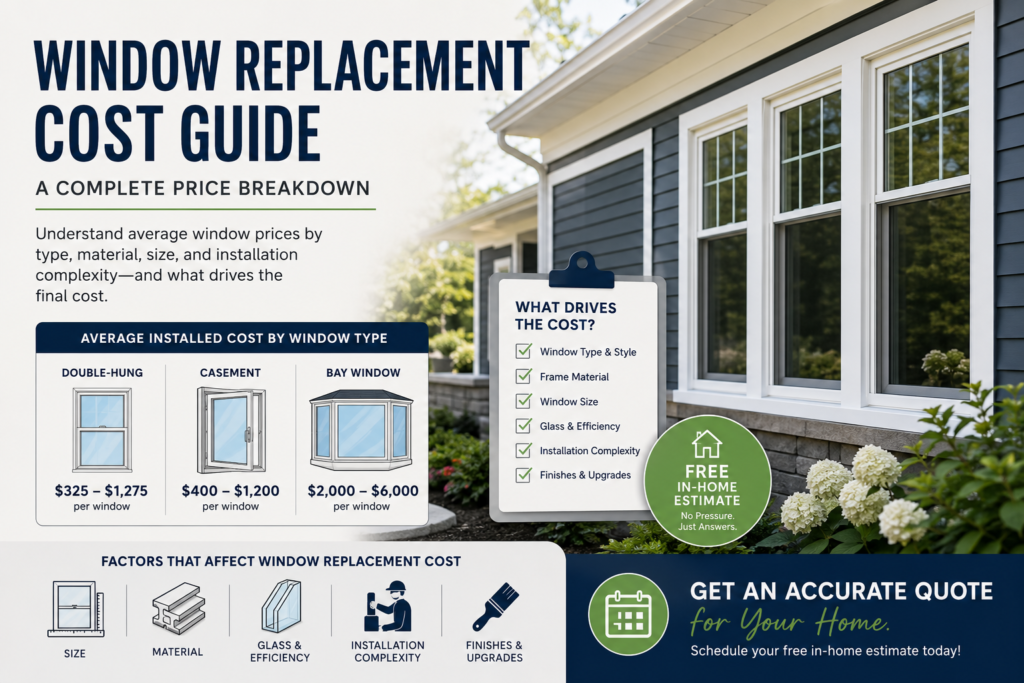
The window replacement cost for a home can vary considerably. Window style, frame material, dimensions, glass package, installation method, accessibility, and the condition of the existing opening can all influence the final price. As a general planning range, professionally installed replacement windows can cost anywhere from several hundred dollars to several thousand dollars per opening. For example, HomeGuide estimates that double-pane windows typically cost between $400 and $2,000 per window installed. Premium materials, oversized windows, custom designs, and structural modifications can push the cost higher. Because every home and window opening is different, online prices should be treated as preliminary budgeting estimates—not guaranteed project quotes. This guide breaks down average window prices by type, material, size, glass package, and installation complexity. It also explains what homeowners can expect during a free in-home window estimate. Average Window Replacement Cost at a Glance The following national averages provide a useful starting point: Window category Typical installed cost Double-hung window $325–$1,275 Casement window $400–$1,200 Bay window $2,000–$6,000 Standard vinyl window $250–$900 Fiberglass window $500–$1,500 Wood window $600–$1,400 Double-pane window $400–$2,000 Triple-pane window $450–$3,000 These ranges overlap because window prices are determined by a combination of features. A small premium fiberglass casement window, for example, may cost more than a larger standard vinyl double-hung window. Similarly, replacing a bay window in an existing opening may cost less than constructing a completely new bay window that requires framing, roofing, siding, and interior finishing. Average Window Prices by Type The window’s operating style affects its manufacturing cost, hardware, frame construction, amount of glass, and installation requirements. Double-Hung Window Cost Typical installed cost: $325 to $1,275 per window Double-hung windows are among the most widely used residential window styles. They contain two movable sashes, allowing homeowners to open the window from the top, bottom, or both. Many modern double-hung windows also include tilt-in sashes. This feature makes it easier to clean the exterior glass from inside the home. According to Angi’s double-hung window cost guide, professional installation generally costs between $325 and $1,275 per standard window. The glass type, frame material, window dimensions, panel configuration, and installation location all affect the final price. Double-hung window costs can increase when the project includes: Oversized or custom dimensions Premium wood or fiberglass frames Triple-pane glass Tempered or laminated glass Decorative grids Custom interior or exterior colors Upgraded locks and hardware Multiple windows connected within one opening Second- or third-story installation Damaged framing around the opening Angi also estimates that double-hung windows can cost approximately $40 to $140 per square foot, with larger and custom windows generally costing more. A standard 24-by-36-inch unit may cost between $250 and $850 before labor, while larger configurations can cost considerably more. View Angi’s size-by-size cost breakdown. Double-hung windows are commonly used in bedrooms, living rooms, dining rooms, and traditionally designed homes because they provide flexible ventilation without projecting outward. Casement Window Cost Typical installed cost: $400 to $1,200 per window Casement windows are hinged along one side and open outward, normally using a hand crank. When closed, the sash presses against the frame, helping create a tight seal. According to HomeGuide’s casement window cost guide, casement windows generally cost between $400 and $1,200 per window installed. The window itself commonly costs between $300 and $700, while installation labor can add approximately $100 to $500 per window. Casement windows can cost more than some basic window styles because they require: Hinges Crank mechanisms Locking systems Precise sash alignment Additional operating hardware The following features may also increase the price: Large or tall casement units Paired or triple casement configurations Premium operating hardware Custom frame colors Wood-grain interior finishes Triple-pane glass Tempered or laminated glass Installation in brick, stone, or stucco Casement windows are frequently selected for kitchens, bathrooms, and rooms where homeowners want ventilation without interrupting the view. Bay Window Cost Typical installed cost: $2,000 to $6,000 A bay window normally consists of three connected window sections that project outward from the exterior wall. The center is often a large fixed window, while the angled side sections may be casement or double-hung windows. According to HomeGuide’s bay window pricing guide, a bay window generally costs between $2,000 and $6,000 installed, depending on its dimensions, configuration, frame material, and installation requirements. Bay windows cost more than standard windows because they involve multiple units and may require: Structural support Framing modifications Exterior roofing Flashing and water management Insulation Siding or masonry repairs Interior trim Drywall repair Painting or staining A custom interior seat or shelf The cost is likely to be higher when: A flat window is being converted into a projecting bay The wall opening must be enlarged A structural header must be changed Support brackets or cables are needed Exterior siding, brick, or stone must be rebuilt Custom interior finishing is requested The bay window is oversized Replacing an existing bay window with a similarly sized unit will generally be less complicated than constructing an entirely new bay window. Window Replacement Cost by Frame Material Frame material affects the window’s appearance, price, maintenance requirements, strength, durability, and energy performance. Vinyl Window Cost Typical installed cost: $250 to $900 per window Vinyl is one of the most popular replacement-window materials because it is relatively affordable and requires little routine maintenance. According to HomeGuide’s wood-versus-vinyl window comparison, standard and premium vinyl windows generally cost between $250 and $900 per window installed. Potential advantages of vinyl windows include: Competitive upfront pricing Minimal maintenance No routine painting or staining Resistance to rot and insect damage Good insulating performance Multiple styles and configurations Not every vinyl window offers the same level of quality. Pricing can vary based on: Frame thickness Internal reinforcement Number of insulating frame chambers Weatherstripping Glass package Locks and hardware Interior and exterior colors Warranty coverage Installation method Homeowners should compare the complete construction and specifications rather than assuming all vinyl windows are interchangeable. Wood Window Cost Typical installed cost: $600 to $1,400 per window Wood windows are often selected for their natural appearance,
Tennessee Window Replacement Tax Credit Guide for Homeowners
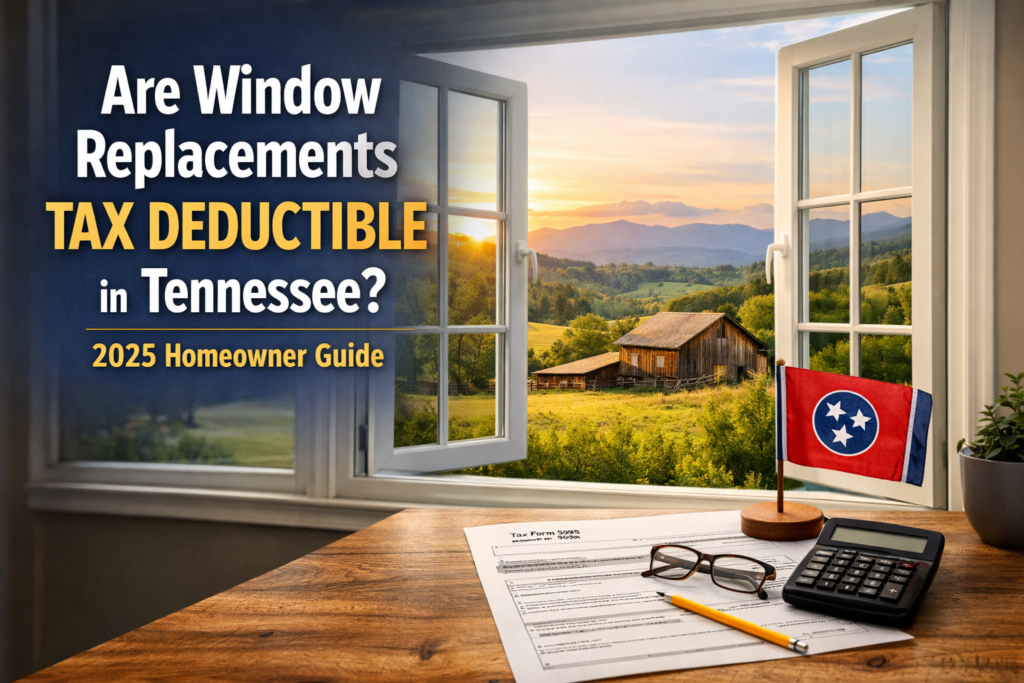
If you’re planning to replace your windows in Tennessee, you may be wondering whether the cost is tax deductible. The short answer is: usually not as a standard deduction, but some Tennessee homeowners may have qualified for a federal energy-efficiency tax credit for eligible 2025 installations. Tennessee itself does not have a state income tax on wages, so there is generally no Tennessee state-level homeowner income tax deduction for window replacement. The main potential savings come from federal tax credits and, in some areas, utility or energy-efficiency rebates. Are Window Replacements Tax Deductible in Tennessee? In most cases, replacement windows are not deductible as a general home improvement expense. New windows are typically considered a capital improvement, not something you can simply write off on your taxes like mortgage interest or certain business expenses. For Tennessee homeowners, the bigger opportunity was the federal Energy Efficient Home Improvement Credit for qualifying products installed through December 31, 2025. Federal Tax Credit for Energy-efficient Windows For qualifying improvements placed in service from January 1, 2023 through December 31, 2025, the federal Energy Efficient Home Improvement Credit under Section 25C allowed homeowners to claim 30% of eligible costs, up to specific annual caps. For exterior windows and skylights, the cap was up to $600 per year. This window credit was part of the broader $1,200 annual limit that also applied to certain other building-envelope improvements like doors and insulation. A few key points matter here: The windows had to be installed in your primary residence in the United States. Eligible windows generally had to meet ENERGY STAR Most Efficient requirements for the tax credit. The credit applied to the cost of the qualifying product, not all project costs in every case. The improvement had to be placed in service by December 31, 2025. Under current IRS guidance, the credit is not allowed for property placed in service after December 31, 2025. What This means for Tennessee Homeowners in 2026 Because the current date is March 18, 2026, Tennessee homeowners generally cannot claim this credit for new window projects installed in 2026 or later under the current IRS rules. However, if your qualifying windows were fully installed by December 31, 2025, you may still be able to claim that credit on your 2025 federal tax return filed in 2026. Does Tennessee Offer a State Tax Deduction for Replacement Windows? Tennessee does not offer a separate homeowner state income tax deduction for window replacement like some people expect when they search for “state tax credit” or “state write-off.” Since Tennessee does not impose a traditional state tax on wage income, homeowners generally focus on federal incentives and local utility programs instead. Based on the sources I checked, I did not find an official Tennessee state homeowner income-tax deduction specifically for replacement windows. Are There Utility Rebates or Energy Programs in Tennessee? Possibly. Tennessee homeowners may find savings through TVA EnergyRight and participating local power companies. TVA EnergyRight advertises residential rebates for certain home energy upgrades and notes that incentives can vary by upgrade type, contractor participation, and local utility availability. While these programs are not the same as a tax deduction, they can still reduce the overall cost of improving your home’s energy efficiency. Tennessee also has a Home Energy Rebate Program through the state energy office, though availability and eligibility depend on program rules, timing, household qualifications, and the type of improvements completed. How to Know Whether Your Windows Qualify If you replaced your windows for a 2025 project and want to determine whether you may still claim a credit, here’s what to verify: 1. Confirm the installation date The windows must have been placed in service by December 31, 2025. 2. Check the product certification Look for documentation showing the windows meet the required ENERGY STAR Most Efficient criteria for the federal credit. 3. Keep your records Save: invoices, proof of payment, manufacturer certification or product details, and installation documents.These records can help support your tax filing if needed. The IRS also provides guidance on how to claim the credit using Form 5695. Bottom line For Tennessee homeowners, replacement windows are generally not tax deductible in the ordinary sense. The main opportunity was the federal Energy Efficient Home Improvement Credit for eligible 2025 installations, with up to $600 available for qualifying windows/skylights as part of a broader $1,200 annual cap for certain improvements. Tennessee itself does not appear to offer a separate state homeowner tax deduction for replacement windows, but some homeowners may still find savings through TVA EnergyRight, local utility incentives, or other energy-efficiency programs. Before claiming any credit, it’s smart to confirm eligibility with a tax professional and review the latest IRS guidance for your specific situation.
How Much Do New Windows and Doors Cost? A Complete Homeowner’s Guide
If you’re considering upgrading your home, one of the most common questions homeowners ask is: how much do new windows and doors cost? Replacing your windows and doors is one of the best investments you can make in your home. Not only can new installations improve energy efficiency, curb appeal, and comfort, but they can also increase your property value and reduce energy bills. However, the total cost varies widely depending on several factors such as materials, number of windows, installation complexity, and the type of doors you choose. In this comprehensive guide, we’ll break down the costs, factors affecting pricing, and what homeowners can expect when budgeting for new windows and doors in 2026. Average Cost of New Windows and Doors Before diving into the details, here’s a general price range homeowners can expect. Average Window Replacement Cost Window Type Average Installed Cost Single Hung Window $450 – $850 Double Hung Window $500 – $900 Casement Window $650 – $1,200 Sliding Window $600 – $1,100 Picture Window $700 – $1,500 Bay or Bow Window $2,000 – $5,500 Most homeowners pay between: $6,000 – $15,000 for a full house window replacement This usually covers 8–12 windows installed depending on the size of the home. Average Door Replacement Cost Door Type Average Installed Cost Entry Door (Steel/Fiberglass) $900 – $3,000 Patio Sliding Door $1,500 – $4,500 French Doors $2,000 – $5,500 Storm Door $300 – $800 If you replace both windows and doors at the same time, many homeowners spend: $8,000 – $20,000+ for a full upgrade project Why Homeowners Replace Windows and Doors Many homeowners start researching how much new windows and doors cost because they’re experiencing problems with their existing ones. Common reasons include: 1. Energy Efficiency Old windows are responsible for 25–30% of heat loss in homes. New windows with: Low-E glass Argon gas insulation Double or triple panes can significantly reduce heating and cooling costs. 2. Improved Comfort Drafty windows and poorly sealed doors cause: cold rooms in winter hot spots in summer higher HVAC usage Replacing them creates a more consistent indoor temperature. 3. Increased Home Value Window and door replacement projects consistently rank among the top home renovations for return on investment. According to remodeling industry reports: Window replacement can recoup 65–75% of its cost Entry door replacement can recoup 70–85% 4. Better Security Modern windows and doors include: multi-point locking systems reinforced frames tempered or laminated glass These upgrades significantly improve home security. Factors That Affect the Cost of New Windows and Doors The price for new windows and doors can vary significantly based on several key factors. 1. Window Material The frame material greatly influences cost. Vinyl Windows Most popular and affordable option. Average cost:$450 – $900 installed Benefits: energy efficient low maintenance affordable Wood Windows Premium option with natural aesthetics. Average cost: $900 – $1,800 installed Pros: excellent insulation classic appearance Cons: higher maintenance higher cost Fiberglass Windows One of the most durable materials available. Average cost: $900 – $1,600 installed Benefits include: exceptional durability energy efficiency minimal expansion/contraction 2. Type of Glass Glass packages significantly impact both performance and cost. Common options include: Double Pane Glass Standard for most homes. Adds insulation and reduces energy loss. Triple Pane Glass Costs 15–30% more, but provides: superior insulation noise reduction improved energy efficiency Low-E Coating Low-E (low emissivity) glass reflects heat and UV rays. Benefits include: lower energy bills reduced fading of furniture better indoor comfort 3. Installation Complexity Not all installations are the same. Factors affecting installation price include: replacing existing windows vs new openings brick or stucco exteriors structural repairs accessibility For example: Second-story window replacements typically cost more due to additional labor and equipment. 4. Size and Customization Standard windows cost less than custom sizes. Custom windows may increase cost by: 20% – 50% Customization options include: specialty shapes decorative grids tinted or frosted glass unique finishes 5. Number of Windows and Doors Most companies offer bulk pricing discounts. Replacing your entire home at once often reduces the cost per window compared to replacing one or two windows individually. Cost Breakdown Example for a Typical Home Here is a realistic scenario for a mid-size home. Example Project 10 double-hung vinyl windows1 fiberglass entry door1 sliding patio door Estimated cost breakdown: Item Cost 10 Windows $7,000 – $9,000 Entry Door $1,200 – $3,000 Patio Door $2,000 – $4,500 Total project estimate: $10,000 – $16,500 Prices may vary based on region and installation conditions. How New Windows and Doors Save Money Although the upfront cost may seem significant, many homeowners see long-term savings. Lower Energy Bills Energy-efficient windows can reduce heating and cooling costs by: 10–25% annually Over time, these savings offset part of the installation cost. Reduced Maintenance Modern vinyl or fiberglass windows require little maintenance compared to older wood windows that need frequent repainting or repairs. Increased Property Value Homes with updated windows and doors are more attractive to buyers and may sell faster. Signs It’s Time to Replace Your Windows and Doors If you’re wondering how much new windows and doors cost, you may already be noticing warning signs. Look for: drafts around windows condensation between glass panes difficulty opening or closing visible rot or damage rising energy bills If your windows are 15–25 years old, replacement is often the best long-term solution. Choosing the Right Windows and Doors for Your Home When selecting new products, homeowners should consider both style and performance. Popular Window Styles Double Hung Windows Most common in North America. Benefits include: easy cleaning good ventilation classic appearance Casement Windows Hinged windows that open outward. Advantages: excellent airflow tight seal for energy efficiency Sliding Windows Great for wider openings. Features: modern appearance smooth operation Popular Door Options Fiberglass Entry Doors Highly durable and energy efficient. They mimic the look of wood without the maintenance. Sliding Patio Doors Ideal for: patios decks backyard access They provide large glass views and natural light. French Doors Elegant option for patios or interior spaces. They create a wider
Pennsylvania Window Replacement (2026 Guide for Homeowners)
If you’re searching for Pennsylvania window replacement, you’re probably dealing with high energy bills, drafty rooms, foggy glass, or outdated windows that hurt curb appeal. In Pennsylvania, windows aren’t just cosmetic — they are structural, energy, and climate protection systems. From brutal winter cold to humid summers, your windows take a beating. This guide will show you: Real costs in Pennsylvania Best window types for PA weather How to choose the right company How to avoid overpriced or low-quality installs Why homeowners across the state trust Install America Why Window Replacement in Pennsylvania Is Different Pennsylvania homeowners deal with: ❄ Freezing winters (below 20°F in many regions) 🌧 Heavy rain and snow 🌡 Humid summers 🌬 Strong wind storms Cheap builder-grade windows fail fast in this environment. That’s why homeowners in Philadelphia, Pittsburgh, Harrisburg, Allentown, and Scranton are upgrading to energy-efficient replacement windows designed for the Northern climate zone. How Much Does Pennsylvania Window Replacement Cost in 2026? Average Cost Per Window Installed: $550 – $900 (standard vinyl double-hung) $900 – $1,500+ (larger openings or specialty styles) What Affects the Price? Window size Frame material Glass package (double vs triple pane) Installation complexity Energy upgrades Structural repairs ⚠️ If someone quotes $300 installed — that’s a red flag. Low prices usually mean: Cheap imported windows No insulation foam Poor sealing Subcontracted labor Best Window Types for Pennsylvania Homes Double-Hung Windows Most popular in Pennsylvania. Easy cleaning and strong ventilation. Casement Windows Seal tightly — excellent for cold winters and reducing drafts. Sliding Windows Ideal for wide openings and modern homes. Bay & Bow Windows Boost curb appeal and interior light dramatically. Signs You Need Window Replacement in Pennsylvania You likely need new windows if: You feel drafts near frames Your heating bills keep rising Glass is foggy between panes Frames are rotting Outside noise enters easily Windows are hard to open If your windows are 15–25 years old, replacement is usually smarter than repair. Why Homeowners Choose Install America for Pennsylvania Window Replacement When choosing a company for Pennsylvania window replacement, installation quality matters more than brand names. Install America focuses on: Accurate in-home measurements Energy-efficient window options Professional installation Proper insulation and sealing Strong warranties Financing options Clean job sites Many national companies subcontract installs. Install America prioritizes trained crews and climate-appropriate products for Pennsylvania homes. How to Choose the Best Window Company in Pennsylvania Before signing: Verify licensing and insurance Ask about Northern climate certification Confirm written warranties Ask if installers are trained employees Review real homeowner testimonials Frequently Asked Questions What is the average cost of window replacement in Pennsylvania? $550–$900 per standard window installed. How long does window replacement take? 1–2 days for most homes. Do replacement windows increase home value in PA? Yes. ROI typically ranges from 65–75%. Is triple-pane worth it in Pennsylvania? In colder regions, yes — especially for energy savings and comfort.
How to Compare Window Replacement Quotes Like a Pro in Harrisburg, PA
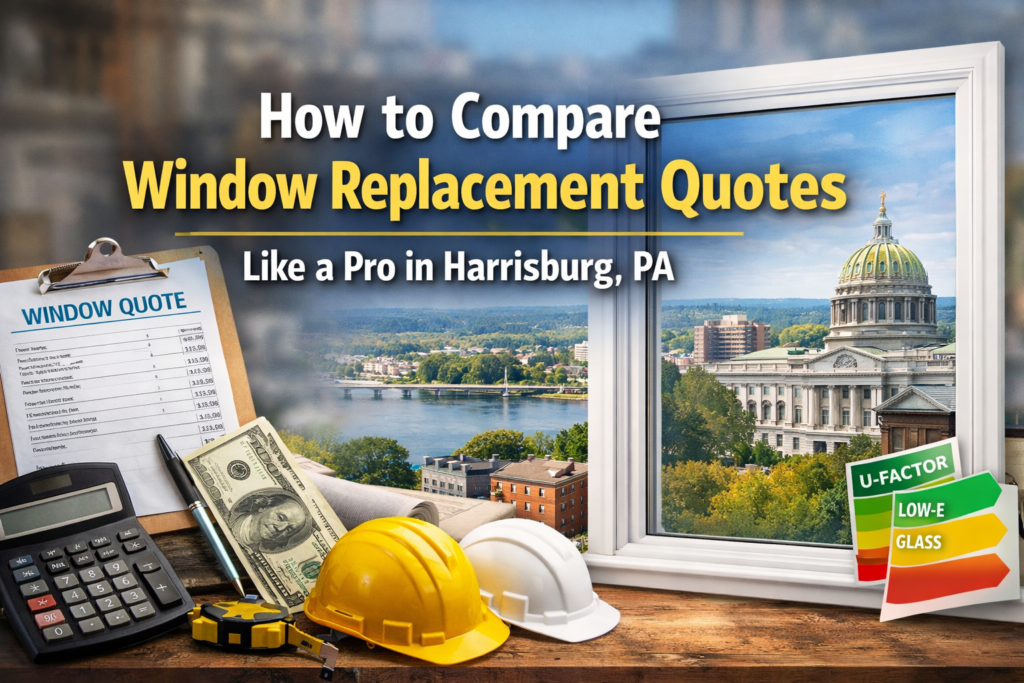
If you own a home in Harrisburg, you already know something about extremes. Winter winds off the Susquehanna River. Humid July afternoons that make your AC run nonstop. Older homes with character — and drafts. So when it’s time to replace your windows, getting multiple quotes feels responsible. But then the confusion hits. One company says $19,000. Another says $31,000. One promises “lifetime everything.” Another says triple-pane is “overkill.” Who’s right? If you want to compare window replacement quotes like a pro — and not just guess — this guide will walk you through exactly how Harrisburg homeowners should evaluate their options. Step 1: Make Sure You’re Actually Comparing the Same Windows Before considering the price, pause. Are these quotes even for the same product? In Harrisburg, most homes use: – Double-hung windows – Casement windows – Slider windows – Picture windows – Bay or bow units Ask for: – Brand name – Model – Frame material – Glass package details If a quote just says “vinyl replacement windows,” that’s too vague. Step 2: In Harrisburg’s Climate, the Glass Matters More Than the Frame Harrisburg gets cold winters, hot humid summers, and seasonal swings. Look at: – Double vs Triple Pane – Low-E Coatings – Argon or Krypton Gas Fill Triple-pane windows often perform better in Central Pennsylvania winters. Step 3: Installation Method Ask: – Full-frame or insert replacement? – Is rot repair included? – Is insulation foam included? – Is exterior capping included? Poor installation leads to drafts and energy loss. Step 4: Compare Energy Ratings Look at: U-Factor (0.30 good, 0.25 excellent) SHGC ratings for summer heat control Step 5: Warranty Breakdown Ask: – Manufacturer warranty – Labor coverage – Transferability – Who handles service calls Step 6: Evaluate the Company – Years serving Harrisburg – Insurance coverage – Employee vs subcontractor installers – Local reviews Step 7: Understand Price Differences Higher price may include: – Triple-pane glass – Full-frame install – Better warranties – Premium materials Step 8: Watch for High-Pressure Sales Avoid: – “Today only” pricing – Refusal to leave written quotes – Manager call discounts Step 9: Think Long-Term Consider: – Energy savings – Comfort – Home value – Noise reduction – Durability Final Thoughts Comparing window quotes like a professional means focusing on value, not just price. Harrisburg’s climate demands performance. Choose clarity, transparency, and long-term results over short-term savings.
Can Window Replacement Be Covered by Homeowners Insurance in Pennsylvania?
Pennsylvania homeowners often ask an important question after discovering cracked glass, storm damage, or broken window frames: can window replacement be covered by homeowners insurance in Pennsylvania? The answer is yes—sometimes, but coverage depends on what caused the damage, how suddenly it occurred, and what your specific PA homeowners insurance policy includes. Given Pennsylvania’s unpredictable weather—ranging from heavy snow and ice in winter to strong thunderstorms and wind events in spring and summer—window damage is a common issue for homeowners across the state. Understanding how insurance companies in Pennsylvania evaluate window claims can help you act quickly, avoid denials, and protect your home from further damage. When Homeowners Insurance Does Cover Window Replacement in Pennsylvania In Pennsylvania, homeowners insurance is designed to cover sudden and accidental damage caused by what insurers refer to as covered perils. If your window damage results from one of these qualifying events, your insurance provider may cover the cost of repair or full replacement. For example, windows damaged by severe storms, including hail, high winds, or fallen trees, are commonly covered under PA policies. This is especially relevant in regions like Eastern and Central Pennsylvania, where windstorms and winter weather can be intense. Fire or smoke damage is also typically covered, as is vandalism or damage resulting from a break-in. In these situations, insurance companies recognize that the damage was unavoidable and outside the homeowner’s control. As long as the windows were in reasonable condition before the event, a claim for replacement may be approved. When Window Replacement Is Not Covered by Insurance in PA While Pennsylvania homeowners insurance offers important protection, it does not cover damage related to neglect, age, or routine wear and tear. This is one of the most common reasons window claims are denied across the state. Issues such as old wooden frames rotting over time, foggy glass caused by seal failure, drafts from outdated single-pane windows, or slow leaks due to worn caulking are considered maintenance problems. Even if Pennsylvania’s freeze-thaw cycles worsen these issues, insurance companies generally view them as preventable with proper upkeep. Additionally, insurance does not cover window replacement for cosmetic reasons or efficiency upgrades. If you want new windows to lower energy bills, reduce noise, or modernize your home, those costs will be the homeowner’s responsibility. Full Coverage vs. Partial Coverage for Window Claims in Pennsylvania Even when a window replacement claim is approved in Pennsylvania, homeowners should not expect insurance to automatically cover the full cost. Most policies require you to meet your deductible, and many claims are settled based on actual cash value rather than full replacement cost. Actual cash value policies account for depreciation, meaning older windows may only be partially reimbursed. Replacement cost policies are more favorable, but they typically only cover materials comparable to what was originally installed. If your home originally had basic double-pane windows, insurance may not pay for premium or high-efficiency upgrades unless you cover the difference. Matching issues are also common in Pennsylvania homes, especially older properties. Insurance may replace only the damaged windows, even if the new ones don’t perfectly match the rest of the home. How to File a Window Insurance Claim in Pennsylvania If your windows are damaged and you believe the cause qualifies under your Pennsylvania homeowners policy, timing and documentation are critical. Begin by taking clear photos and videos of the damage as soon as it occurs. If possible, document the source of the damage—such as storm debris, ice buildup, or impact marks. Next, take reasonable steps to prevent additional damage, such as temporarily boarding up broken windows to protect your home from rain, snow, or pests. Then, contact your insurance company to open a claim and follow their instructions closely. Working with a licensed Pennsylvania window replacement contractor can make a significant difference. Contractors experienced with insurance claims can provide detailed, insurance-ready estimates and help ensure the damage is properly documented according to local standards. Does Pennsylvania Insurance Cover Window Upgrades? Homeowners insurance in Pennsylvania does not cover voluntary upgrades, even if they improve energy efficiency or comfort. Features such as Low-E glass, triple-pane windows, or custom frames are considered upgrades, not repairs. That said, many Pennsylvania homeowners choose to upgrade once insurance covers the baseline replacement. In these cases, you can typically pay the difference out-of-pocket, allowing you to take advantage of modern, energy-efficient windows while still receiving partial insurance assistance. Frequently Asked Questions for Pennsylvania Homeowners Does homeowners insurance in Pennsylvania cover broken window glass?Yes, if the glass was broken due to a covered peril such as a storm, vandalism, or accidental impact. Will my insurance replace all my windows if one is damaged?Usually no. Pennsylvania insurance policies typically cover only the windows directly damaged, unless local code or policy language requires matching. Are window leaks covered in Pennsylvania?Leaks caused by sudden storm damage may be covered. Leaks caused by aging materials, poor installation, or long-term wear are not. Is Window Replacement Still Worth It Without Insurance Coverage in PA? Even when insurance does not apply, replacing old or damaged windows can be a smart investment for Pennsylvania homeowners. New windows improve insulation during cold winters, reduce energy costs year-round, increase home comfort, and enhance resale value—especially in older PA homes. Replacing failing windows can also prevent more serious issues, such as moisture damage or mold caused by leaks during heavy rain or snowmelt. Final Answer: Can Window Replacement Be Covered by Homeowners Insurance in Pennsylvania? Yes—but only in specific situations.In Pennsylvania, homeowners insurance may cover window replacement when the damage is sudden, accidental, and caused by a covered event like storms, fire, or vandalism. It does not cover aging windows, poor maintenance, or elective upgrades. If you’re unsure whether your window damage qualifies, a professional inspection is the best next step to protect your home and avoid costly delays.
Why Homeowners Choose Install America for Window Replacement

Homeowners choose Install America for window replacement because of their proven experience, high-quality energy-efficient windows, professional installation, local expertise across Delaware, Pennsylvania, Tennessee, Georgia, Virginia, New Jersey and North Carolina, transparent pricing, strong warranties, and consistently positive customer reviews. With years of experience, premium materials, expert installation, and a customer-first approach, Install America has become a go-to choice for homeowners who want the job done right the first time. A Trusted Name in Window Replacement Install America is an established window replacement company with over a decade of hands-on experience helping homeowners upgrade comfort, efficiency, and curb appeal. Unlike companies that treat window replacement as a volume business, Install America focuses on: Proper evaluations Honest recommendations Precision installation Long-term performance This approach has earned Install America a reputation as one of the most trusted window replacement companies in the regions they serve. High-Performance Replacement Windows Designed to Last Homeowners choose Install America because of their commitment to high-quality, energy-efficient replacement windows. Their windows are designed to: Reduce heat loss in winter and heat gain in summer Improve indoor comfort year-round Lower monthly energy bills Reduce outside noise Withstand harsh weather conditions Install America prioritizes performance and durability over shortcuts, ensuring homeowners see real value from their investment. Expert Window Installation Makes the Difference Even premium windows can underperform if they’re installed incorrectly. Install America sets itself apart with professional, detail-driven installation teams. Their installers focus on: Accurate measurements for a custom fit Proper sealing and insulation Water and air infiltration prevention Respect for the home and thorough cleanup This attention to detail helps prevent common issues like drafts, leaks, and premature window failure — problems homeowners often experience with less experienced contractors. Local Window Replacement Services You Can Trust Install America proudly serves homeowners across multiple states, with strong local roots in Delaware, Pennsylvania, and North Carolina. Window Replacement in Delaware Delaware homeowners face changing seasons, coastal moisture, and temperature swings. Install America provides window solutions designed to improve insulation, reduce humidity issues, and enhance energy efficiency — all while meeting local building standards. Window Replacement in Pennsylvania From historic homes to modern developments, Pennsylvania homeowners trust Install America for replacement windows that maintain architectural integrity while improving comfort and efficiency in colder climates. Window Replacement in North Carolina North Carolina homes require windows that handle heat, humidity, and seasonal storms. Install America installs windows built for durability, UV resistance, and year-round performance in Southern climates. Local expertise allows Install America to recommend the right windows for each region — not one-size-fits-all solutions. Honest Pricing and Flexible Financing Options Homeowners appreciate Install America’s transparent pricing model. Every project begins with a clear explanation of costs, scope, and expectations. To make window replacement more accessible, Install America also offers flexible financing options, allowing homeowners to upgrade their windows without delaying important improvements. Industry-Leading Warranties for Peace of Mind Install America stands behind its work with strong product and labor warranties. Homeowners gain peace of mind knowing their investment is protected long after installation day. This long-term accountability is a major reason homeowners confidently recommend Install America to others. Real Reviews From Real Homeowners One of the strongest indicators of trust is customer feedback. Install America has earned hundreds of positive reviews across platforms like Google and other reputable review sites. Homeowners frequently highlight: Professional and courteous installers Clear communication throughout the project High-quality workmanship Clean, efficient installations These real experiences reinforce Install America’s position as a top window replacement company. A Simple, Stress-Free Window Replacement Process Install America has refined its process to make window replacement straightforward and worry-free: Initial consultation (in-home or virtual) Expert product recommendations Accurate measurements Professional installation Final walkthrough and ongoing support Homeowners value knowing exactly what to expect from start to finish. Why Install America Is the Right Choice for Window Replacement When homeowners compare window replacement companies, Install America consistently stands out for its balance of experience, quality, service, and trust. That’s why homeowners choose Install America — not just for new windows, but for confidence, comfort, and long-term value.
Front Window Replacement Styles for Every Home Type
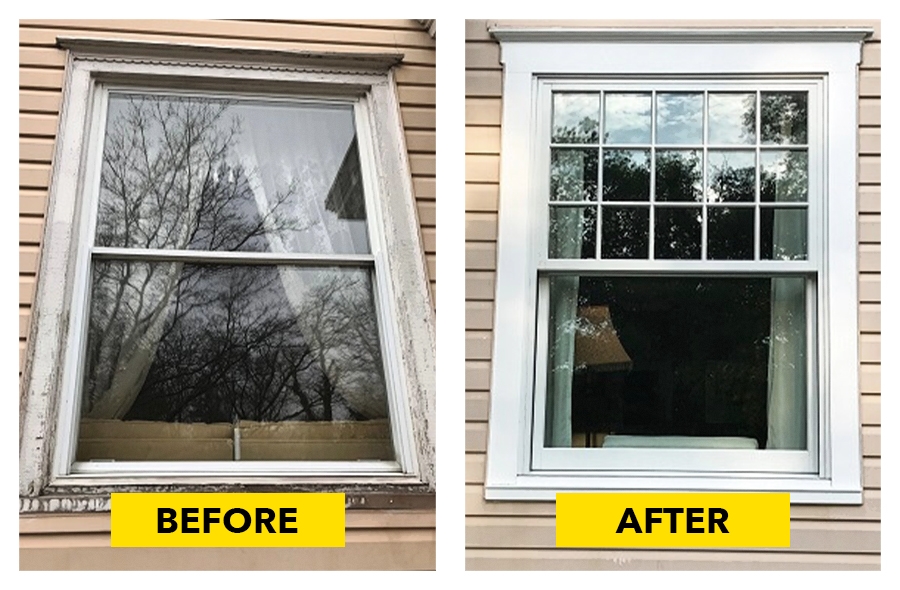
Why Front Window Replacement Style Matters Unlike side or rear windows, front windows are visually prominent and often define a home’s architectural identity. A mismatched front window replacement can disrupt symmetry, reduce curb appeal, and even hurt resale value. In many neighborhoods—especially those with homeowner associations or historic guidelines—style consistency is not just recommended, it’s required. Beyond aesthetics, front window replacement choices also influence natural light, ventilation, insulation, and noise reduction. Modern glass technology allows homeowners to preserve a classic look while gaining significant improvements in energy efficiency, UV protection, and interior comfort. Front Window Replacement in the Midwest & Northeast Homes in the Midwest and Northeast face extreme temperature swings, making front window replacement especially important for insulation and comfort. High-performance vinyl, composite, and fiberglass windows with Low-E glass help reduce drafts in winter and heat gain in summer, while still matching traditional and historic home styles common in these regions. Front Window Replacement in North Carolina & the Mid-Atlantic In warmer and mixed climates like North Carolina, Pennsylvania, and surrounding Mid-Atlantic states, front window replacement should balance solar control with ventilation. Energy-efficient glass, UV protection, and moisture-resistant frames help homeowners maintain comfort while improving curb appeal year-round. Front Window Replacement Styles for Modern Homes Modern homes are defined by clean lines, open spaces, and a strong connection between indoor and outdoor environments. Front window replacement options for modern architecture typically prioritize large glass areas, minimal framing, and simple geometry. Picture windows are one of the most popular front window replacement choices for modern homes. These fixed windows offer unobstructed views, maximize daylight, and create a bold, contemporary focal point. Because they do not open, picture windows are also among the most energy-efficient options available. Oversized or floor-to-ceiling front windows are another common modern design element. When paired with high-performance Low-E glass and thermally efficient frames, these windows deliver a dramatic visual impact without sacrificing insulation. Black-frame aluminum or fiberglass windows are especially popular in modern front window replacement projects, as they emphasize contrast and architectural sharpness. Minimalist designs typically avoid decorative grids or divided panes, allowing the glass itself to take center stage. For homeowners seeking a sleek, updated look, a modern front window replacement can instantly transform the exterior of a home. Front Window Replacement Styles for Traditional Homes Traditional homes make up the largest segment of residential architecture, and front window replacement options for these properties offer flexibility, familiarity, and timeless appeal. The goal with traditional front window replacement is to enhance the home’s appearance while maintaining balance and symmetry. Double-hung windows remain the most common front window replacement style for traditional homes. Their classic proportions, functional ventilation, and compatibility with decorative grids make them a reliable and visually appropriate choice. Bay and bow windows are also popular for front window replacement in traditional homes, as they add depth, dimension, and interior space while enhancing curb appeal. Many homeowners opt for colonial or prairie grid patterns to match existing architectural details. Modern vinyl, composite, and wood-look frames allow traditional front window replacement projects to retain their classic appearance while benefiting from improved durability and energy efficiency. A well-chosen front window replacement in a traditional home should feel seamless—noticeable for its quality, not for standing out as out of place. Front Window Replacement Options for Historic Homes Historic homes require a more careful approach to front window replacement. Preserving original character while improving performance is the primary objective, and improper window selection can significantly reduce a home’s historical integrity. True divided light (TDL) and simulated divided light (SDL) windows are commonly used in historic front window replacement projects. These designs replicate the look of original multi-pane windows while incorporating modern insulated glass units. Wood and wood-clad windows are often preferred for historic homes due to their authentic appearance and customizable profiles. Custom sizing is frequently necessary, as older homes rarely conform to modern standard window dimensions. A professional front window replacement ensures that original openings, trim details, and exterior lines are preserved while upgrading insulation and weather resistance. For homeowners in designated historic districts, front window replacement may also require approval from local authorities. Working with experienced professionals helps ensure compliance while achieving the desired balance of beauty and performance. Energy Efficiency and Performance Considerations Regardless of architectural style, energy efficiency should be a top priority in any front window replacement. Advances in glazing technology now allow homeowners to achieve excellent thermal performance without compromising aesthetics. Double- and triple-pane glass, argon or krypton gas fills, Low-E coatings, and warm-edge spacers all contribute to improved insulation, reduced drafts, and better temperature control. Properly installed front window replacements also reduce outside noise and protect interior furnishings from UV damage. Choosing energy-efficient front windows can lead to lower utility bills, increased indoor comfort, and long-term savings, making them a smart investment for any home style. Choosing the Right Front Window Replacement for Your Home Selecting the best front window replacement involves more than choosing a design you like. Homeowners should consider their home’s age, architectural style, climate, budget, and long-term plans. A window that looks great today should continue performing well for decades. It’s also important to consider whether replacing only the front window is the right approach. In many cases, upgrading multiple windows at once improves visual consistency and can reduce overall installation costs. Professional Front Window Replacement vs DIY While some homeowners consider DIY window projects, front window replacement is rarely a suitable candidate. The front elevation of a home is highly visible, and even small installation errors can lead to water intrusion, air leaks, or structural damage. Professional front window replacement ensures proper flashing, insulation, alignment, and warranty coverage. Experienced installers also help homeowners select styles that enhance curb appeal while meeting local codes and architectural guidelines. How much does a front window replacement cost? Front window replacement costs vary based on size, style, frame material, and glass options. On average, homeowners can expect pricing to range from mid-hundreds to several thousand dollars
Can uPVC Windows and Doors Be Painted? A Homeowner’s Guide by Install America
If you own a house with older uPVC (vinyl) windows or doors and you’re wondering whether they can be refreshed with a new colour instead of replaced — the answer is: yes — but only if it’s done right. At Install America, we often get asked whether painting uPVC is a viable alternative to full replacement. In this post, we’ll walk you through when it makes sense — and when you’re better off investing in new frames. When Painting uPVC Makes Sense Your frames are older and out of warranty: If your uPVC windows/doors are past their warranty period, painting can be a cost-effective cosmetic upgrade. The uPVC is structurally sound: No warping, cracking, or failed seals — painting simply improves appearance. You want a fresh look without replacement cost: A new colour (grey, anthracite, etc.) can modernize the home exterior without full replacement. You’re looking for a temporary or mid-term solution: A well-done paint job can give you several years of improved look before more permanent renovation. When Painting uPVC Is Not Ideal Your windows are under warranty or recently installed: Altering factory finish may void any remaining warranty and reduce long-term value. uPVC is damaged, warped, or seals are failing: Painting won’t fix structural or thermal issues; replacement would be wiser. You want maximum lifespan and lowest maintenance: Painted uPVC usually requires more upkeep and may need repainting sooner than new frames. Marketing best practices for window & door businesses suggest transparency here — homeowners appreciate being informed before calling a contractor. When Painting uPVC Is Not Ideal Your windows are under warranty or recently installed: Altering factory finish may void any remaining warranty and reduce long-term value. uPVC is damaged, warped, or seals are failing: Painting won’t fix structural or thermal issues; replacement would be wiser. You want maximum lifespan and lowest maintenance: Painted uPVC usually requires more upkeep and may need repainting sooner than new frames. Marketing best practices for window & door businesses suggest transparency here — homeowners appreciate being informed before calling a contractor. How to Properly Paint uPVC — Step by Step Inspect the frames — ensure there’s no warping, cracks, or seal failure. Clean and degrease thoroughly to remove dirt, chalking, silicone residues, or grease. Lightly sand the surface to create a “key” for the paint. Optionally apply a plastic-bonding primer or adhesion promoter — helps paint adhere to slick uPVC. Apply a uPVC-compatible exterior paint (ideally formulated for vinyl/PVC) — using spray gives the most professional-looking finish; high-quality brushes/rollers are second best. Let it cure fully before regular use of windows/doors. Plan for occasional maintenance — cleaning with mild, non-abrasive cleaners; consider repainting after several years depending on exposure. This sort of detailed guidance helps homeowners make an informed decision — and also positions Install America as an expert, trustworthy provider. Such content-driven strategies are known to help window/door companies convert more leads. Pros & Cons — What to Pros Cons Modernized look at lower cost than full replacement Paint may need recoating within 5–10 years Avoids waste and disruption of full replacement Dark colours can cause heat stress on vinyl, risk of warping Good interim solution if frame integrity is fine Might void warranty on newer windows/doors Fast turnaround (vs. ordering new custom frames) Requires meticulous prep — poor job can look worse than faded uPVC What Type of Paint Should You Use on uPVC? Specialist coating companies and trade paint suppliers consistently recommend high-quality exterior paints formulated for plastics/uPVC: Acrylic or solvent-based exterior paints with strong adhesion to plastics and UV resistance are commonly advised. Some European suppliers recommend specific products like Tikkurila Panssari Akva for uPVC due to its durability, colour stability and weather resistance. Multi-surface exterior systems such as Zinsser AllCoat are often used by professionals and have published long-term performance claims (e.g. up to 15-year durability) when properly applied. Look for labels or technical datasheets that explicitly mention: uPVC / PVC / vinyl compatibility Exterior use & UV resistance Flexibility (so the coating can move with temperature changes) A dedicated bonding / adhesion primer for plastics or vinyl is also strongly recommended by both paint manufacturers and pro painters to help the topcoat stick and last longer. Colour Choice, Heat and Warping One of the most important technical considerations is colour. Paint and window manufacturers emphasise that dark colours with a low Light Reflectance Value (LRV) absorb more solar energy, increasing surface temperatures and the risk of warping or distortion in vinyl/uPVC. Common guidance includes: Prefer colours with LRV ≥ 55 unless the paint line specifically certifies dark shades as “vinyl-safe” or heat-reflective. Be especially cautious on south- and west-facing elevations that get strong sun. If you insist on black or very dark grey, use vinyl-safe paint formulations and consult the paint manufacturer’s technical advice. How Long Does Painted uPVC Last? Expert estimates vary slightly, but there’s broad agreement that: A well-prepared, professionally painted uPVC frame using high-quality coatings typically lasts around 5–7 years before showing significant fading or wear. A few high-performance coating systems claim up to 10–15 years of performance when applied according to spec, though this depends heavily on climate, exposure and maintenance. Poor surface preparation or cheap paint can lead to peeling and failure in just a couple of years, especially in harsh environments. Realistically, if you’re painting uPVC, you should plan on recoating at least once within a decade. Will Painting uPVC Void the Warranty? This is one of the biggest gotchas. Many installers and manufacturers explicitly state that DIY alterations, including painting uPVC frames, can void any remaining warranty on the product. Some guidelines: Never paint brand-new uPVC (often advised: avoid painting if the frames are 12 months old or less). Always check your warranty documents or contact the original supplier before painting, especially for relatively recent installations. If your windows are already out of warranty, this becomes less of a concern and painting can be considered a temporary cosmetic upgrade. Step-by-Step: How to Paint uPVC
Are Window Replacements Tax Deductible in Pennsylvania? Here’s What Homeowners Should Know in 2025
If you’ve been thinking about replacing your old, drafty windows, there’s good news — your upgrade might actually put some money back in your pocket at tax time. Many homeowners in Pennsylvania are surprised to learn that while there isn’t a state tax deduction for window replacements, there is a valuable federal tax credit you can claim for installing energy-efficient windows. Let’s break down how it works, who qualifies, and how you can make the most of it. So, Are Window Replacements Tax Deductible in Pennsylvania? Not exactly — but don’t worry, that’s not a bad thing.Pennsylvania doesn’t currently offer its own state-level tax deduction for window replacements. However, the federal government offers something even better: a tax credit for homeowners who install qualifying energy-efficient windows or skylights. This comes under the Energy Efficient Home Improvement Credit (IRS Form 5695). It lets you claim up to $600 back for eligible windows and skylights added to your primary home. What’s the Difference Between a Deduction and a Credit? It’s easy to mix them up. A deduction lowers your taxable income, while a credit directly reduces the amount of tax you owe. So, if you owe $2,000 in taxes and you qualify for a $600 credit — your tax bill drops to $1,400. That’s real savings. Who Qualifies for the Credit? Here’s the good news: most Pennsylvania homeowners will. To qualify, you’ll need to check a few boxes: The windows must be installed in your main home (not a rental or vacation property). They have to meet ENERGY STAR® Most Efficient standards. Installation has to be completed in the same tax year you’re claiming. Keep your receipts and manufacturer’s certificate — you’ll need them for proof. Then, when you file your taxes, include IRS Form 5695 and claim the credit. How Much Can You Save? The federal credit allows you to claim: Up to $600 per year for window and skylight replacements. Up to $1,200 total for all energy-related upgrades (like insulation, doors, and windows combined). And here’s the best part — this isn’t a one-time deal.You can use the credit every year you make qualifying improvements. So if you do part of your home this year and finish the rest next year, you can still benefit both times. Don’t Forget Utility Rebates On top of federal credits, many Pennsylvania energy providers offer rebates for upgrading to high-efficiency windows and doors. Programs like EnergySavePA (through PECO and PPL Electric) can give you extra cash rebates, often between $25–$75 per window, depending on the product’s efficiency. Think of it as getting rewarded twice — once by your utility company and once by the IRS. Before you file, double-check these details: Only installed windows count (not just purchased ones). Save all your paperwork — especially product labels and efficiency certificates. You won’t get a “double credit” from Pennsylvania — only the federal one applies. Rental properties don’t qualify unless you also live there part-time. It’s always a good idea to run things by your tax preparer or accountant to make sure you’re claiming everything correctly. Replacing your windows isn’t just about improving your home’s look and comfort — it’s also a smart financial move. Even though Pennsylvania doesn’t have a state deduction, the federal energy-efficiency credit and local rebates can still help you save hundreds of dollars while cutting down your energy bills year-round. If you’ve been waiting for a good reason to upgrade, this might be it. Pro Tip: Before ordering your new windows, check that they’re ENERGY STAR® “Most Efficient” certified. That simple label can be the difference between getting the credit — or missing out.